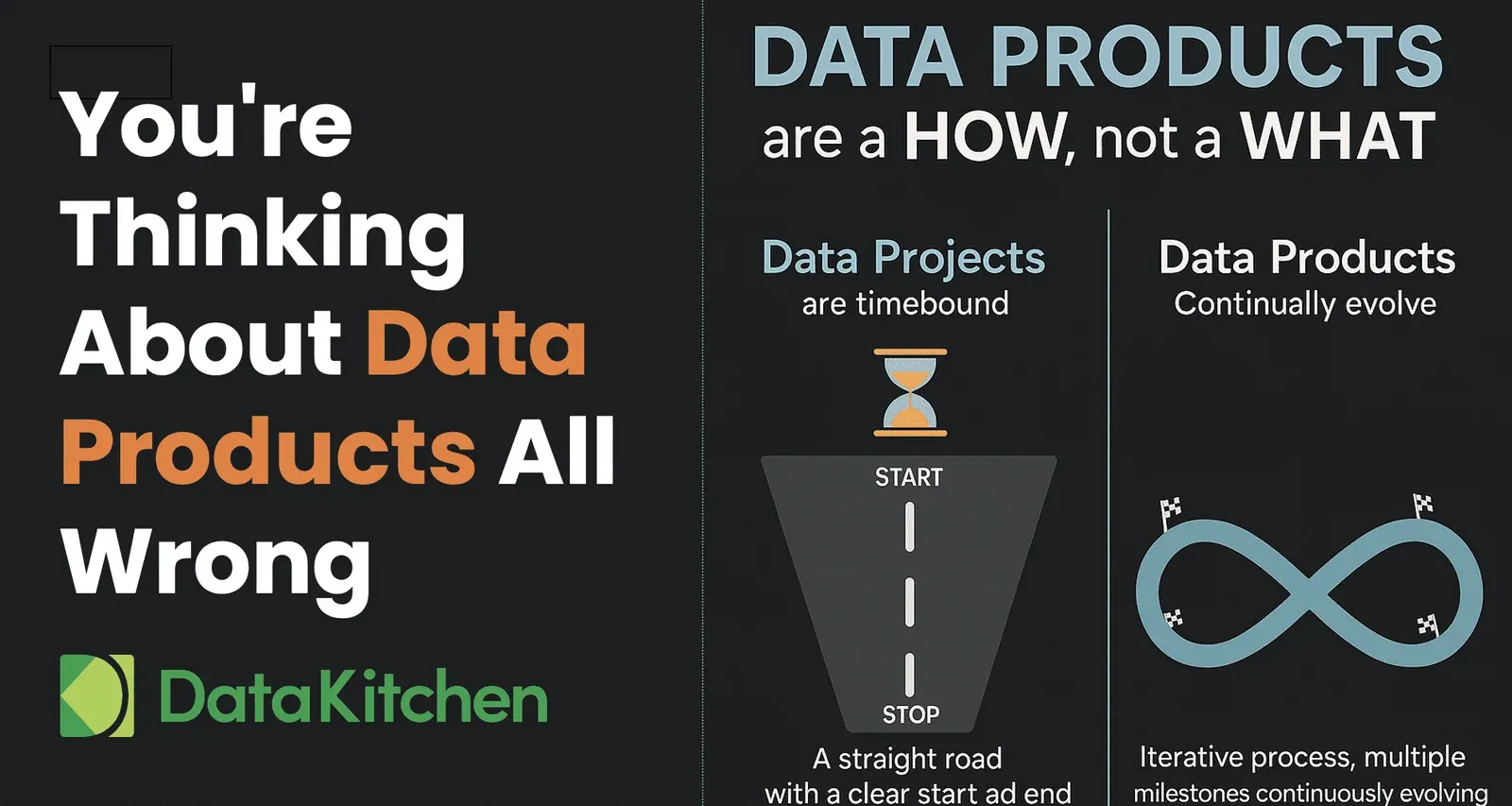
DataOps revolutionizes how data-analytics work gets done. Like many other “big ideas,” it sometimes faces resistance from within the organization. For most organizations, data is a means to an end. The organization’s primary focus is on its mission, whether that is a product or a service. As data professionals, we communicate the value of data-driven insights. Although many of our colleagues appreciate the value of insight, they generally pay little attention to the process of uncovering that insight unless there is an issue or error.
If you are launching a DataOps initiative, executive sponsorship can give you air cover while building DataOps capabilities on the ground. A C-level sponsor can tie the project’s activities into the larger organization’s strategic goals. An executive can explain the value to others and provide guidance as the project team faces obstacles or grapples with trade-offs. The executive sponsor provides resources and budget as a skunkworks matures into an official project. To pitch a transformational concept like DataOps to an executive, put yourself in his or her shoes.
Connecting DataOps to Business Outcomes
Executives rarely have the opportunity to passively reflect on the past. Every quarter comes with a new goal, and the success or failure of initiatives impacts the company’s short and long-term success. If someone comes along with an idea that can improve business outcomes – an executive will be “all ears.” Articulating how DataOps can contribute to the success of a key initiative will speak to an executive’s priorities.
Translate DataOps’ impact into benefits that your executive understands and cares about. DataOps offers ways to slash analytics development cycle time, streamline workflows, and virtually eliminate errors in data operations. These capabilities help business leaders rapidly capitalize on opportunities and gain insight into the marketplace, often well before the competition.
An executive is always on the lookout for ways to grow revenue and maximize resources. Circumstances present the business with an endless stream of opportunities to make investments that spur growth or implement efficiencies. Companies can’t jump on every opportunity. They have to select the best of the bunch based on return-on-investment (ROI), risk assessment, or another preferred metric.
A high-performance organization maximizes its ability to select and leverage opportunities. Data is the modern business decision apparatus (just ask Google, Target, Amazon, or Facebook). If people leverage their data more effectively and rapidly, and with fewer errors, they can pursue opportunities more quickly and efficiently. DataOps improves business agility, which itself sustains a competitive advantage.
The Opportunity Cost of Inefficient Analytics
DataOps also improves the efficiencies of data-analytics workflows. The data team spends less time on manual processes, such as data prep, integration, documentation, execution of data operations and recovery from errors, and more time on new models and analytics that create value. Living with less efficient data-analytics workflows has an opportunity cost. Without DataOps automation, the enterprise pursues fewer opportunities or the wrong opportunities.
Linking the overt benefits of DataOps to business impact is key to earning executive support. If you pitch DataOps only as a way to make data-analytics more efficient, an executive will likely not see the full value. Executives have a tremendous responsibility to the organization and its employees, so they must carefully choose where they place their energies. Your role is to articulate how DataOps can impact objectives in the business domain. Connect the dots for how DataOps helps the organization more effectively achieve its mission.
Insights That Transform the Enterprise
When pitching your DataOps project to a potential executive sponsor, it may help to discuss it relative to a broader strategy that you outline, for example, in a slide presentation. You may be starting with a single project, but DataOps can help improve metrics that reflect teamwork, productivity, quality, and more. DataOps is a transformational concept that revolutionizes how data science and analytics work gets done. Ultimately, the impact of DataOps extends beyond just the data team. It promotes collaboration across the entire enterprise and, through analytics, helps people discover creative insights that stimulate growth.
FAQ
What are the key points in this blog?
DataOps often meets internal resistance, and executive sponsorship is what carries it past that. A C-level sponsor ties the work to strategic goals, explains its value to others, and supplies budget. Winning one means translating DataOps into business outcomes such as cycle time, agility, and opportunity cost rather than pitching analytics efficiency.
Why does a DataOps initiative need an executive sponsor?
Because DataOps changes how work gets done, and that provokes resistance. A sponsor provides air cover while the team builds capability, connects the project to organizational strategy, and supplies resources as it matures from a skunkworks into a funded project. Without one, the initiative competes for attention with no advocate above the data team.
How do you pitch DataOps to an executive?
Put yourself in their position. Executives are measured quarterly on outcomes, so lead with the outcome: DataOps slashes analytics development cycle time, streamlines workflows, and virtually eliminates errors in data operations. Those capabilities let business leaders capitalize on opportunities and read the marketplace well before the competition does.
What is the opportunity cost of inefficient analytics?
The data team spends its hours on manual data prep, integration, documentation, and error recovery instead of on new models and analytics that create value. Companies cannot pursue every opportunity and have to select the best ones. A slower, more error-prone data function means the enterprise pursues fewer opportunities, or the wrong ones.
What mistake do people make when pitching DataOps?
Pitching it as efficiency. An executive who hears that data analytics will get more efficient will not see the full value, because efficiency on its own does not obviously move a business objective. The job is to connect the dots between DataOps and how the organization more effectively achieves its mission.