For Data Science & AI Teams
End ML and AI Project Failure
Gone are the days when ML and AI projects withered on the vine, never seeing the light of day. The DataKitchen DataOps Observability and Automation software simplifies the operationalization of ML and AI models by orchestrating end-to-end pipelines for seamless development, training, deployment, and monitoring.

Key points
- ML and AI projects fail on data far more often than they fail on modeling.
- A model needs feature data with known quality: a silently changed input produces a confidently wrong prediction.
- Training and experimentation need environments that are safe to break, separate from production.
- Monitoring model performance and monitoring the data feeding the model are the same discipline, not two projects.
“DataOps provides the continuous delivery equivalent for machine learning and enables teams to manage the complexities around continuous training, A/B testing, and deploying without downtime. Automating these processes frees up the team's time to focus on developing new models and use cases.”
Collaborate Across the Entire Data Ecosystem
Your model is not an island. Data Science requires a high level of technical collaboration with other parts of the data organization. The DataKitchen Automation software orchestrates your entire pipeline -- from data access to value delivery -- for seamless integration of all the heterogeneous data centers, tools, infrastructure, and workflows required for successful model development and deployment.
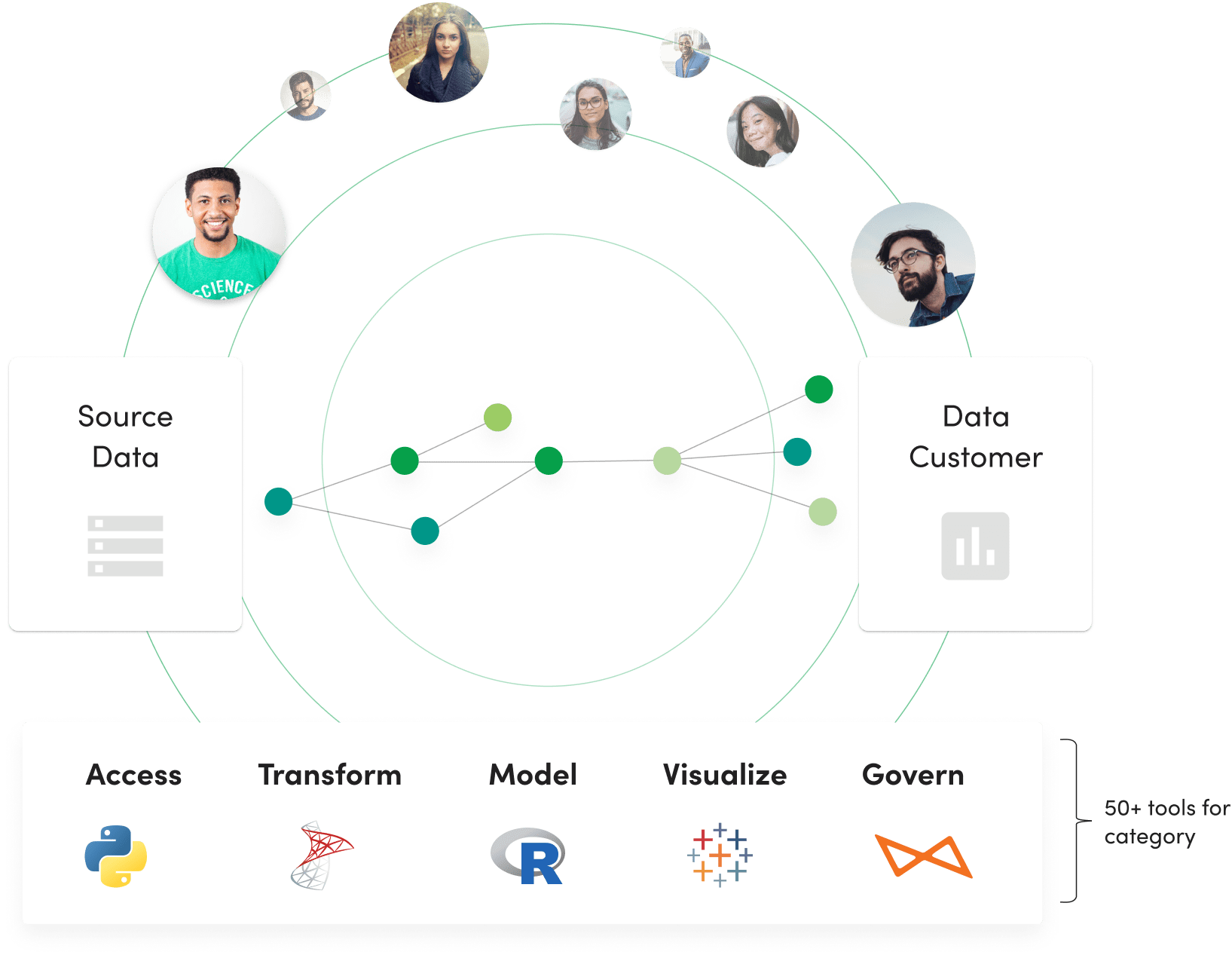
Safely Develop and Train New Models
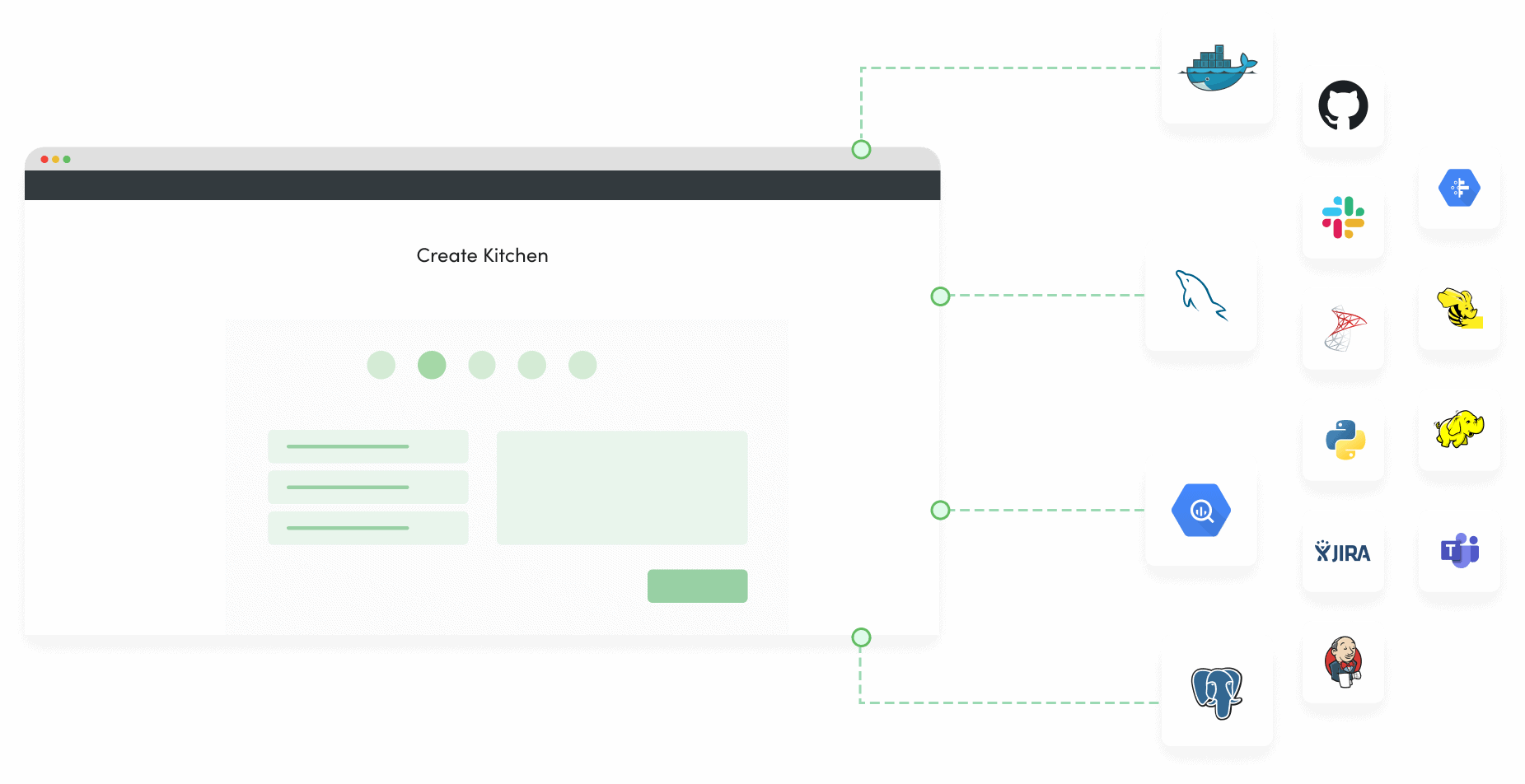
With the DataKitchen Automation software, quickly spin up aligned, fit-for-purpose 'Kitchens' where Data Scientists can experiment, test, and train models, safely and independently.
Deploy Quickly and Efficiently
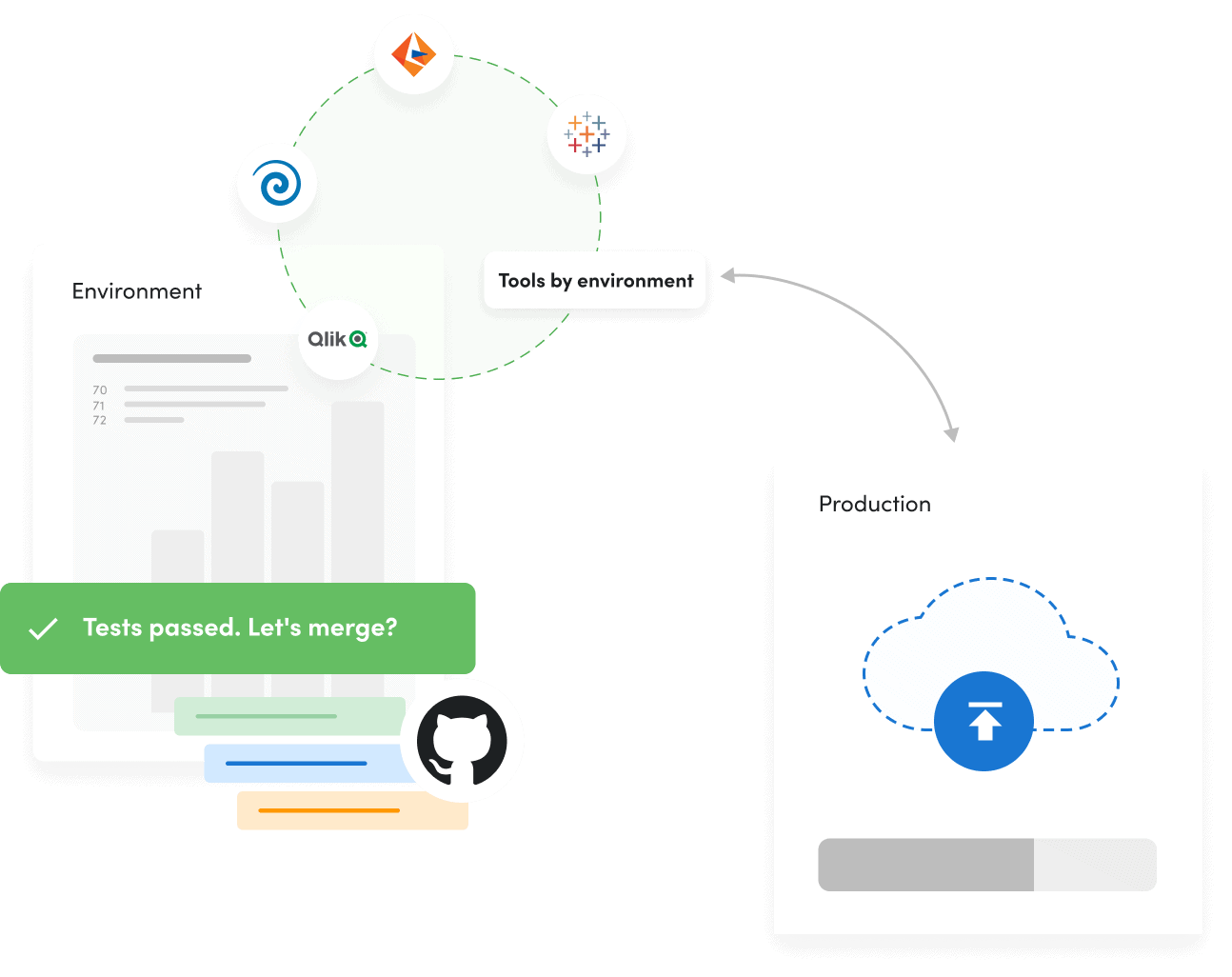
The DataKitchen Automation software stops manual deployment steps so that your process evolves from patchwork to a true continuous deployment pipeline. When new models are ready, Kitchens streamline deployments to different release environments by remapping to toolchain connections -- wherever they are located (cloud, hybrid, on-prem).
Monitor Model Performance
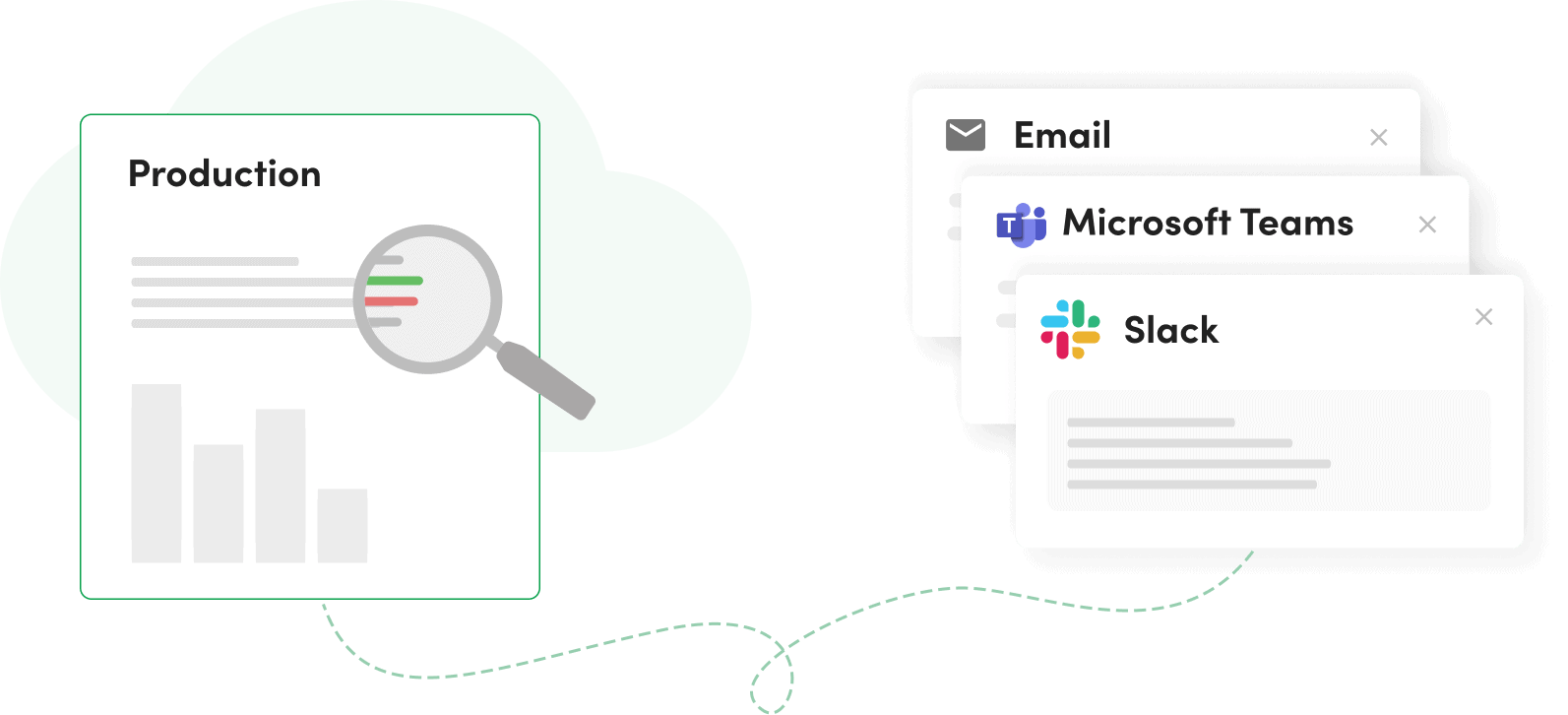
DataKitchen's Observability and Automation software enable you to continuously test and monitor your models in production. Customize alerts so your teams are instantly notified when models drift or underperform so you can get a head start on retraining.



See DataKitchen in action
Learn how DataKitchen helps data teams deliver high-quality analytics with less stress and fewer errors.
Frequently Asked Questions
Common questions about DataOps Software for Data Science and AI Teams
What is MLOps?
MLOps is the operational practice of getting machine learning models into production and keeping them working: version control for data and models, automated testing, deployment, and monitoring after release. Most of its failures are data failures rather than modeling failures, because a model given a silently changed input returns a confidently wrong answer.
Why do AI and ML projects fail on data?
Because models consume data without a human reviewing it first. A feature column that silently went 40 percent null produces a confidently wrong model, and there is no intermediate step where somebody notices. The failure surfaces as drift weeks later, far from its cause.
What data quality do machine learning features need?
Verification that the training inputs were correct on the dates they were used, not just that they look correct today. That is a question about history, which most data quality tooling cannot answer because it only reports the current state.
How do you check whether training data was clean?
Keep the test results, not just the tests. When profiling and test outcomes are stored and trended, you can answer what a feature column looked like in March without reconstructing it. Without stored history, a drift investigation becomes three weeks of archaeology.
What is the problem with predefined critical data elements for AI?
You do not know which features matter until after you have trained a model, and you need clean data to train it. That circular dependency breaks the usual approach of hand-curating a short list. Broad automated coverage across the whole table is the practical escape.
How does data quality affect model accuracy?
It compounds rather than adds. Data that is 80 percent correct fed to a model that is 80 percent accurate yields about 64 percent expected accuracy, because both failure modes apply to the same output. Improving the model alone has limited returns against an untested input.
What do data scientists need from a data platform?
Coverage they did not have to write, results that persist so historical questions are answerable, and monitors that catch a feature drifting before the model does. The common thread is that none of it should require the data scientist to become a testing expert.