For Data Production Teams
Reclaim Control of Your Daily Production Processes
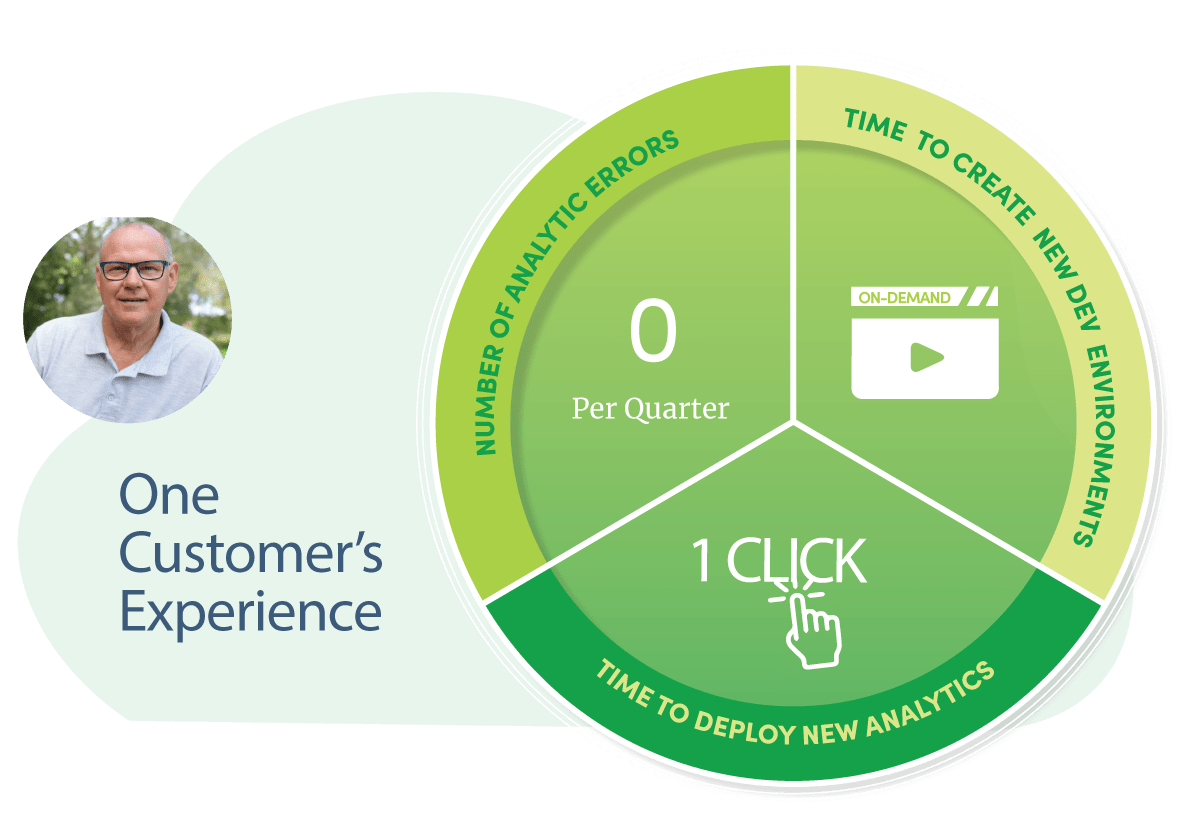
When data projects fail, temporary band-aid solutions will only get you so far. With the DataKitchen DataOps Software, your team stops failure before it occurs. The Platform automates the key functions of production and development workflows, resulting in low errors, fast insight, more collaboration, and less blame.
Key points
- Band-aid fixes fail in data production because they address the incident and leave the process that let it through untouched.
- Stopping a failure before it reaches production costs less than triaging it afterward, in both engineering time and credibility.
- Self-service analytics works only when the platform catches the errors the analyst cannot see.
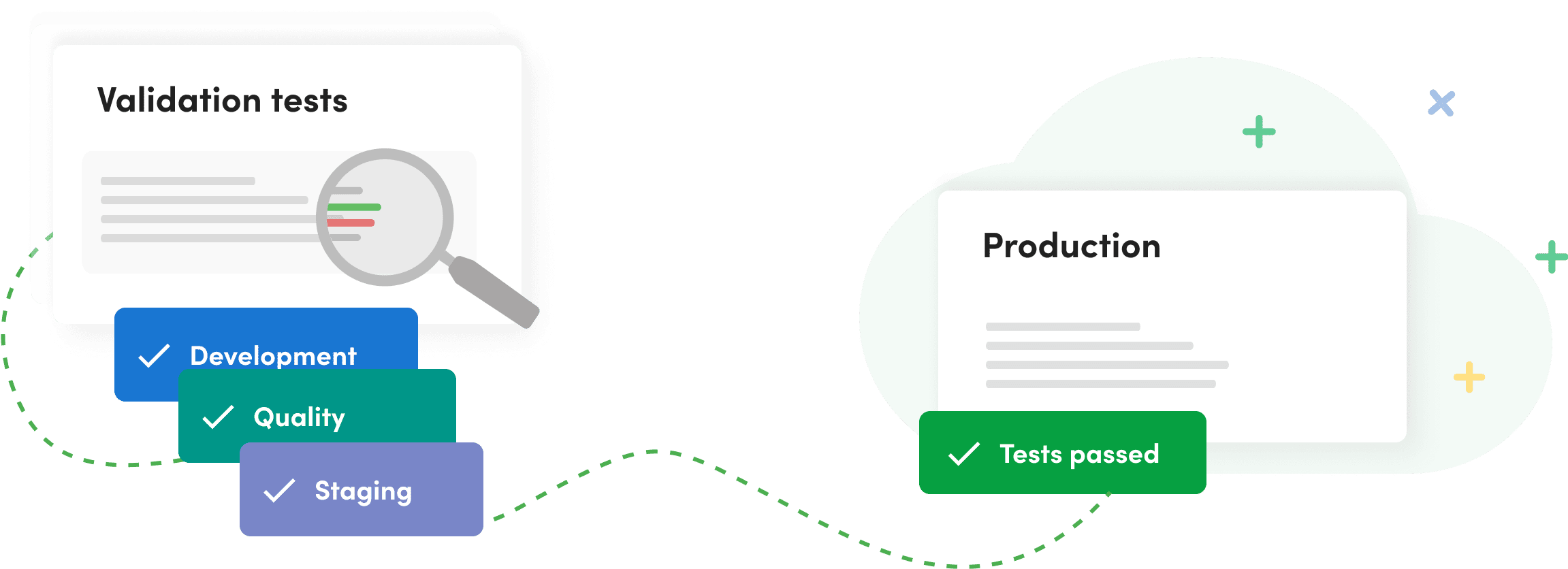
- Deploying with confidence means the tests that ran in development are the same tests running in production.
“It is a huge productivity win when someone on the team no longer needs to constantly log in and monitor runs. I used to feel very, very careful when changing anything data-related, but I think you're starting to see that it's not that big a deal anymore, because we can now figure out what happened pretty quickly, and we can adjust it. That is going to lead to more innovation for our company.”
Eliminate Production Errors
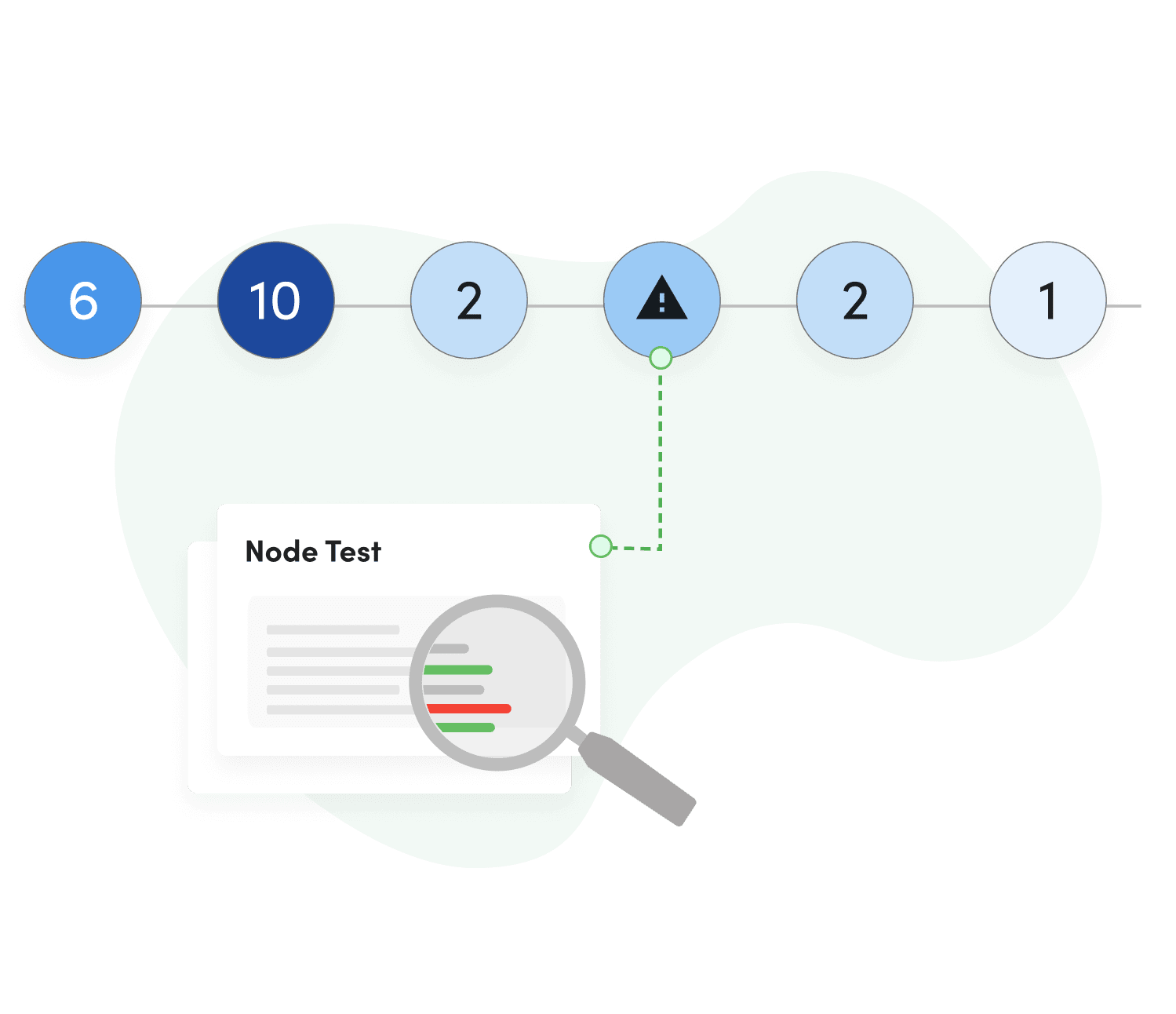
With the DataKitchen Software, embed any number of tests directly within each and every step of your production pipelines, from data access to value delivery. Automated alerts increase agility and reduce data downtime.
Empower Self-Service Analytic Teams
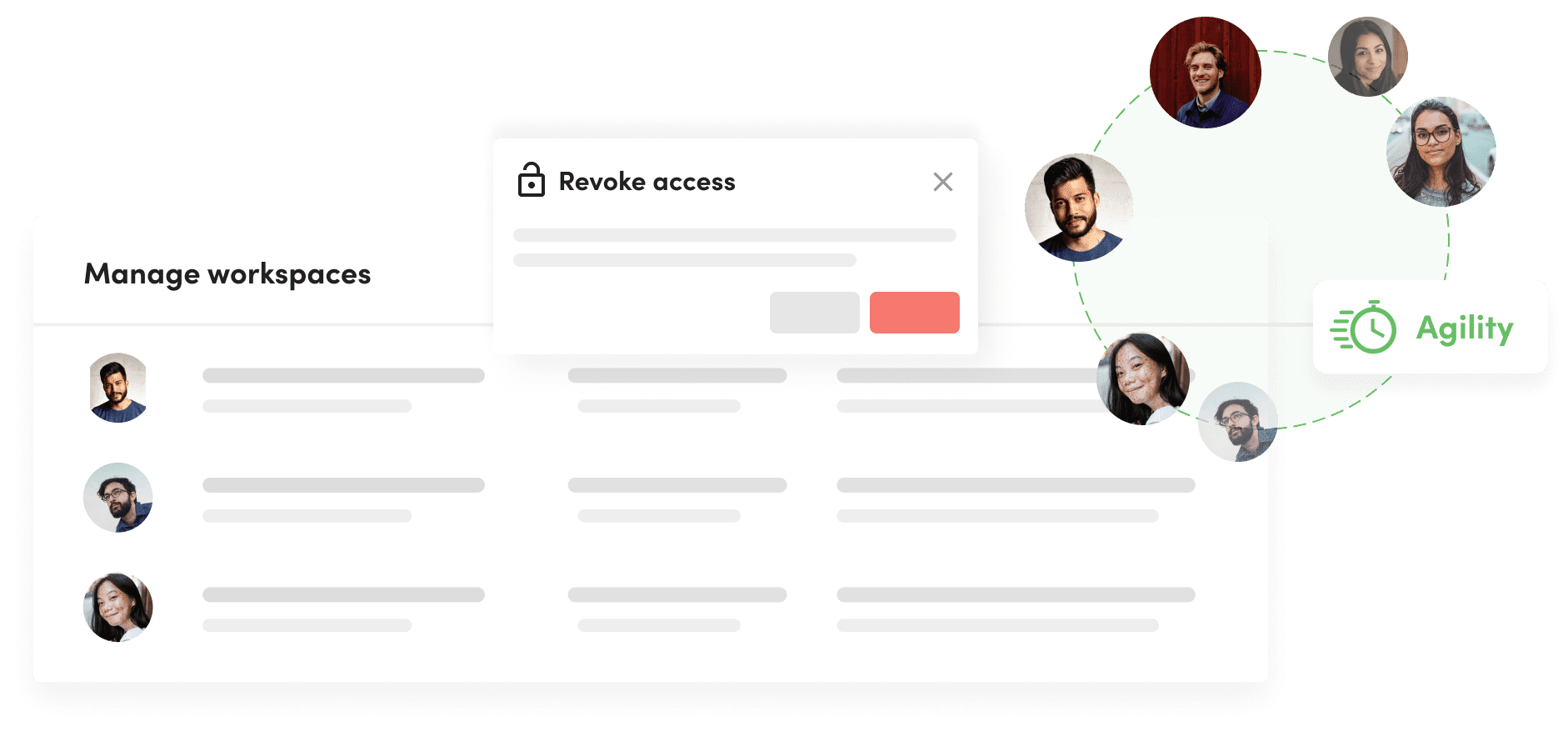
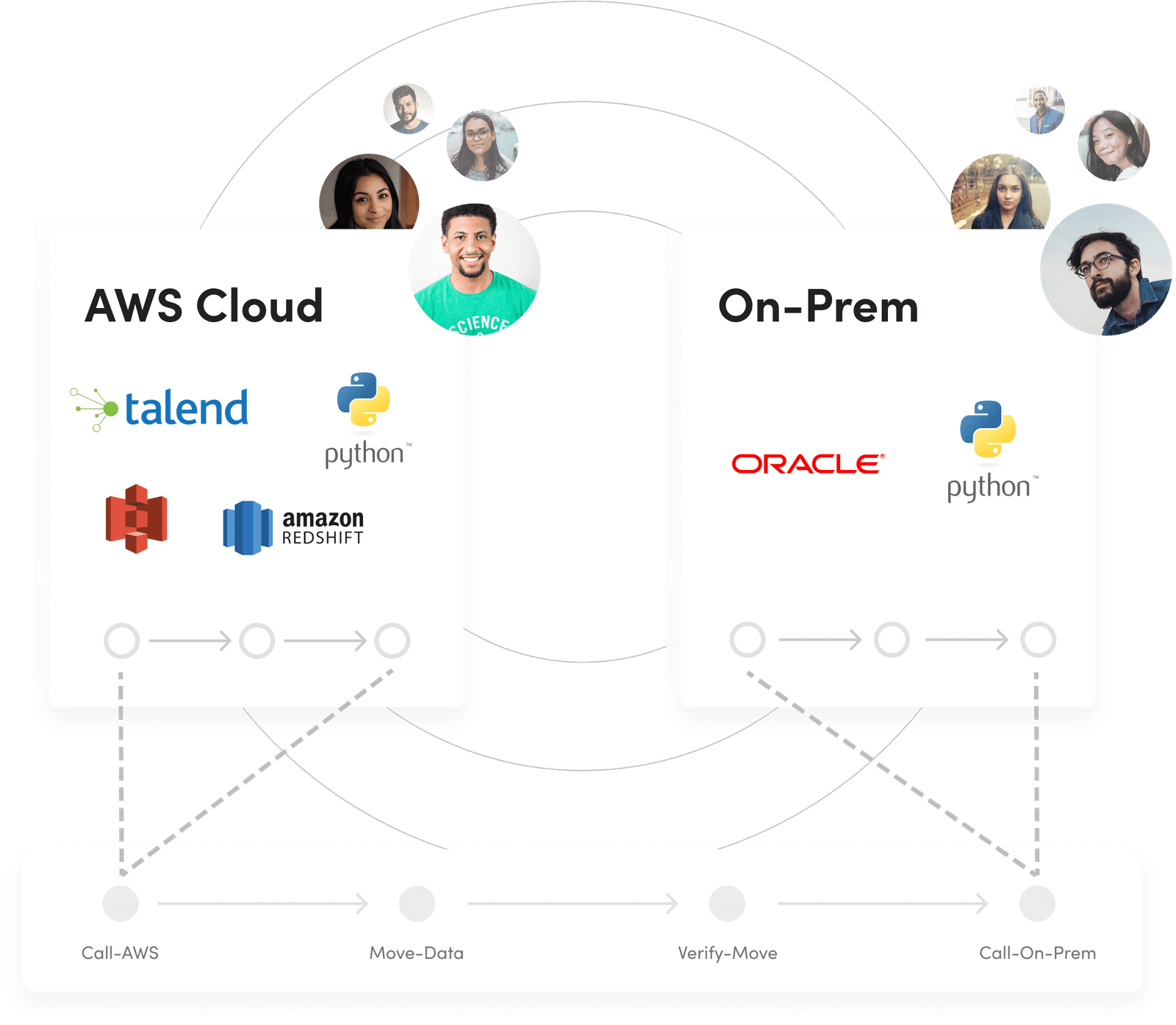
Easily create self-service DataOps sandboxes (Kitchens) on-demand to empower data users with the analytic workspaces they need to do data work safely and independently, while adhering to centralized governance and control.
Deploy With Confidence
Automate manual steps so that your process evolves from patchwork to a true continuous deployment pipeline. No longer worry about breaking anything because DataKitchen DataOps Automation validates that you deploy only when code is tested and ready.
Collaborate and Share with Ease
Collaboration is easy when everyone uses the same platform. A single system-level view of the end-to-end analytic process enables everyone to see how their work impacts the whole. DataKitchen DataOps Automation also enables anyone to save, reuse, and share important analytic components with other team members -- a significant productivity enhancer.


See DataKitchen in action
Learn how DataKitchen helps data teams deliver high-quality analytics with less stress and fewer errors.
Frequently Asked Questions
Common questions about DataOps Software for Data Production Teams
What is data production?
Data production is the ongoing operation of pipelines that deliver data to consumers, as opposed to building them. It is the part where failures are expensive and visible, and where band-aid fixes accumulate because there is never time to address causes.
Why do temporary fixes fail in data production?
Because they address the instance rather than the condition. A manual correction gets the number right today and leaves the mechanism that produced it untouched, so the same failure returns. Each patch also becomes undocumented state somebody has to remember.
How do you stop bad data reaching production?
Put a test between transformation steps that exits non-zero on failure, so the orchestrator halts the pipeline. Production keeps serving the last known good data while somebody investigates. That is prevention rather than notification, and it is the difference between a wrong dashboard and no new data.
What should you monitor in data production?
Both the process and the data. Whether every job ran, in what order, and with what result, plus whether the data those runs produced is correct. Jobs routinely complete successfully while producing wrong output, so monitoring one without the other leaves a class of failure invisible.
How do you reduce firefighting?
Make failures predictable rather than surprising, then fix causes instead of instances. Teams in permanent crisis cannot make structural changes because every hour goes to the current incident. Observability breaks that loop first by surfacing problems before a consumer does.
Does this require changing our stack?
No. The approach adds testing and observability around the tools you already run. Rewrites are rarely fundable and usually unnecessary, and a change that requires no migration is one you can start immediately.