Webinar: 10x Your AI Data Analysis — The Context Engineering Formula That Works

On-demand webinar: why AI data analysis deployments fail, and the Data Trust + Data Experience + Context formula that actually works on Snowflake and Databricks.

Written by Chris Bergh on April 14, 2026

DataOpsData QualityOn-Demand WebinarOpen Source
Webinar: 10x Your AI Data Analysis — The Context Engineering Formula That Works

Key points

  • The formula is DT + DX + CTX. Data Trust is tested, monitored, fresh data and the absolute prerequisite. Data Experience is a curated schema — the ten tables that matter instead of the hundreds that confuse. Context is the multiplier: business definitions, example queries, and operational history.
  • MIT's BEAVER benchmark is the evidence for the gap. GPT-4 scores 85%+ on standard public SQL benchmarks and close to 0% end-to-end against real, undocumented enterprise warehouses. When researchers handed the models the right table and column context, performance recovered sharply — the intelligence was there the whole time.
  • Context does not grow linearly with your schema. Join pairs are T × (T−1) ÷ 2, so five tables need ten plain-language explanations, ten tables need 45, and twenty need 190. Curating down to ten tables is what collapses the configuration burden.
  • Example queries are the most underrated category and the highest return per hour invested. One confirmed template — territory versus target, or period-over-period trend — covers about 80% of analyst queries, and counterexamples teach the model why a plausible join doubles the rows.
  • The artifacts are files, not a philosophy: business definitions with caveats and calculation rules, validated SQL templates, ontologies for the domain rules that don't live in the database, and quality metadata — profiling, lineage, and SLA status — surfaced to the AI layer.
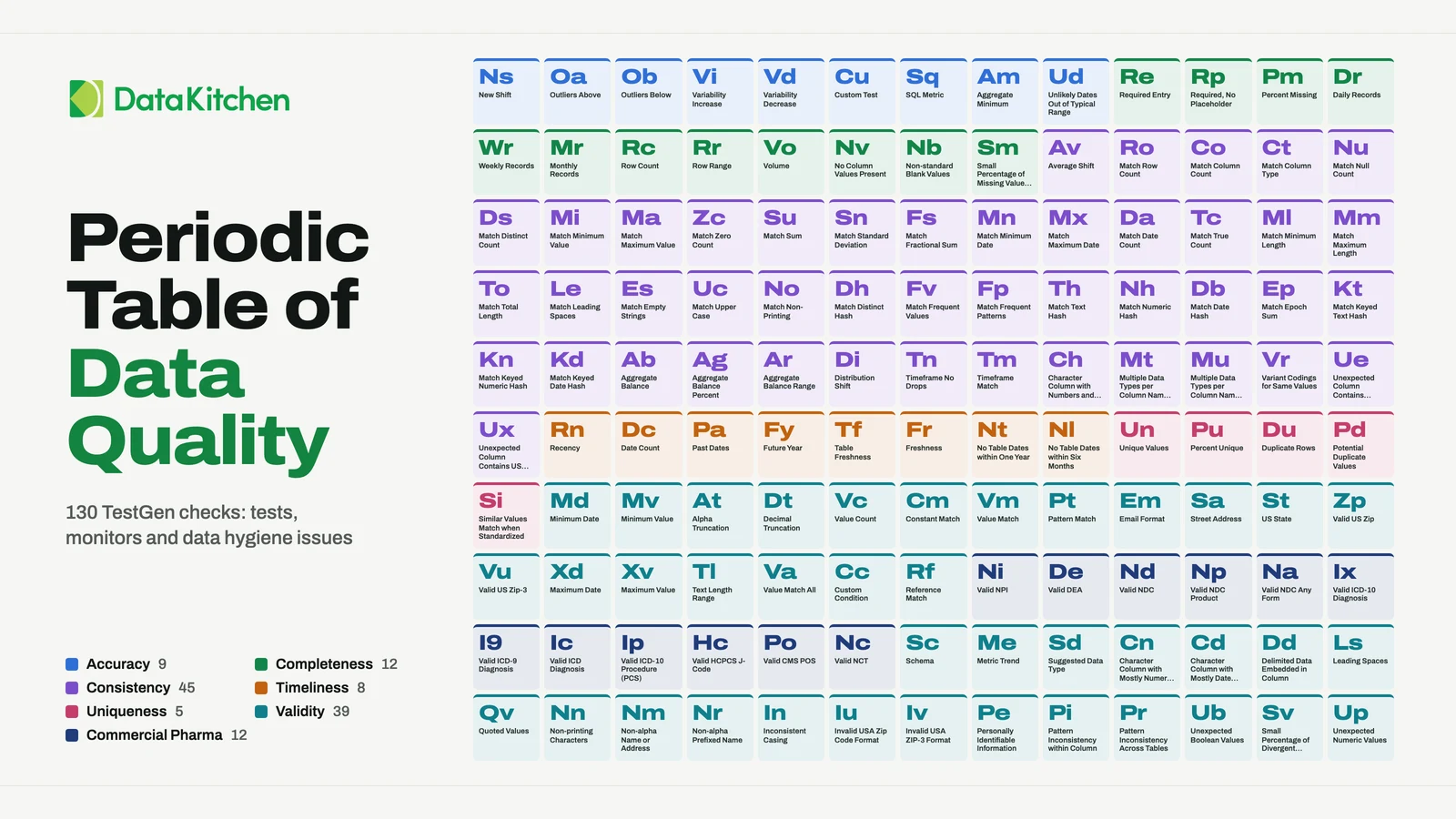
  • The starting list is four items: run TestGen on your most critical tables, identify the ten tables that answer 80% of analyst questions, write business definitions for your top 20 columns, and add five validated example queries to the context layer.

Most AI data analysis projects don’t fail because of bad models. They fail because the data underneath isn’t trustworthy, isn’t legible, and isn’t anchored to anything a business person would recognize. Point the best LLM in the world at a 120-table sandbox of cryptic column names and undocumented joins. You’ll get a confident, wrong answer every time.

The fix is context engineering. Three layers: Data Trust (DT), Data Experience (DX), and Context (CTX). Data Trust means automated tests and quality gates so the model isn’t reasoning over silently broken data. Data Experience means curating schemas and column names so the model can find what it needs. Context means encoding the business definitions: what “active customer” really means at your company, which joins are valid, which metrics are canonical. With those three in place, the model behaves like a domain expert. Without them, it’s a clever stranger guessing.

In this on-demand webinar, we walk through the formula on real Snowflake and Databricks data, including how we took a 120-table pharma sandbox and turned it into a schema an LLM can actually work in. You’ll see before-and-after, the tests that catch context drift, and the pipelines that keep each layer current when the data or the business rules change.

If your AI data analysis is “almost working” but you can’t trust the answers in front of a stakeholder, this is the session for you.

Watch the webinar

Fill out the form and the recording, slides, and transcript open on the next page.

Install Open Source TestGen Free, no vendor lock-in Request a Demo See TestGen Enterprise in action
Chris Bergh

Chris Bergh

CEO and Head Chef at DataKitchen. He is a leader of the DataOps movement and is the co-author of the DataOps Cookbook and the DataOps Manifesto.

LinkedIn →

Don't want to give us your email address? Go directly to the webinar recording here.