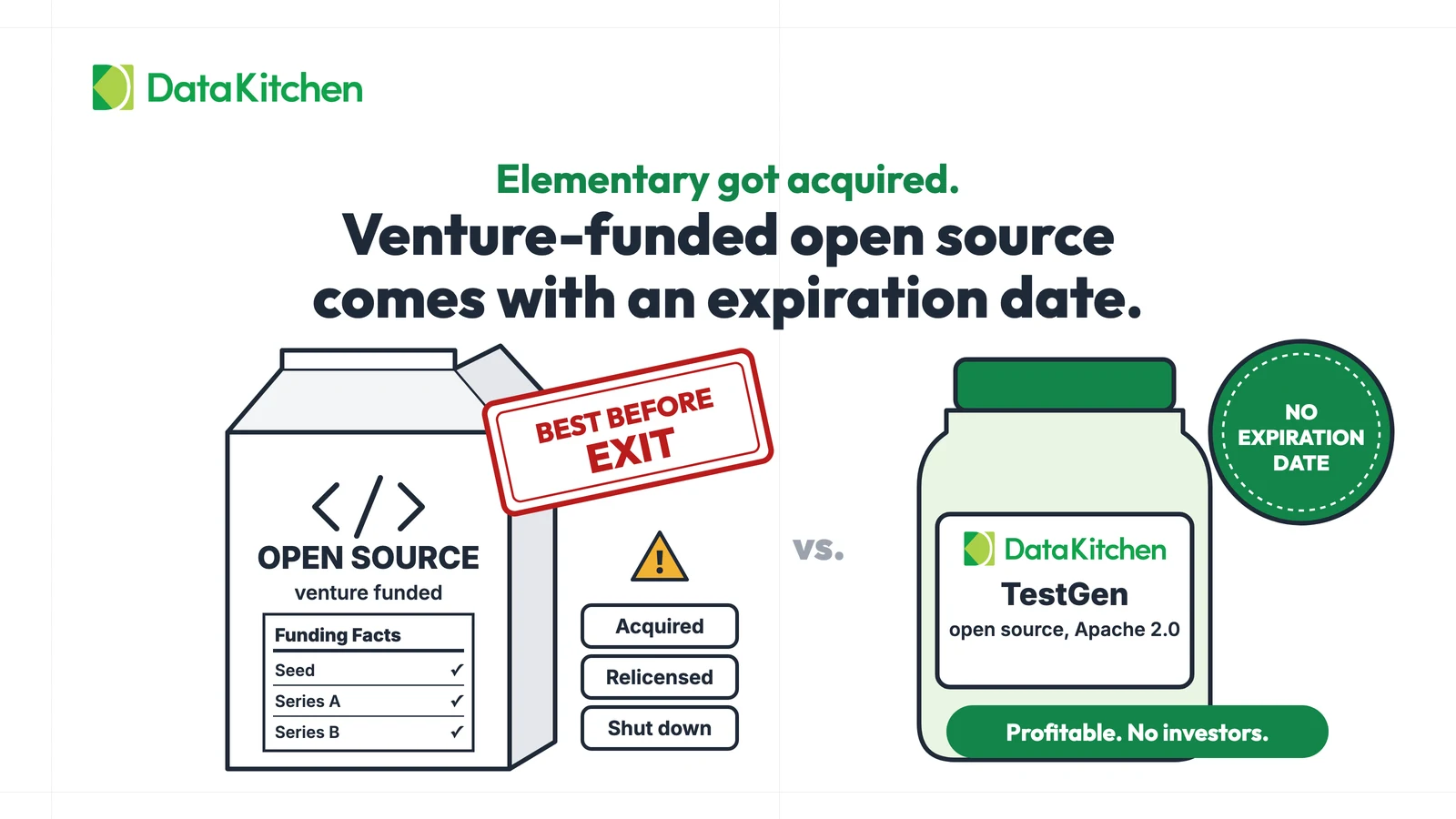
There are over a dozen venture-backed data observability companies — Monte Carlo, Anomalo, Soda Data, Bigeye, and the list keeps growing — all racing to justify hundreds of millions in VC funding. And guess who’s paying for that? You are. Every six-figure contract you sign isn’t buying you better technology. It’s buying their investors a path to a 10x return. Your data quality budget has become someone else ’s exit strategy.
The Emperor Has No Algorithms : the anomaly-detection and monitoring capabilities these platforms sell are built on commodity machine-learning algorithms that have been freely available for years. There’s nothing revolutionary about time series anomaly detection. Yet, somehow the industry has convinced data teams that wrapping these algorithms in a SaaS platform justifies $200K, $300K, or more per year — with pricing that scales against you every time you add a table or run a test.
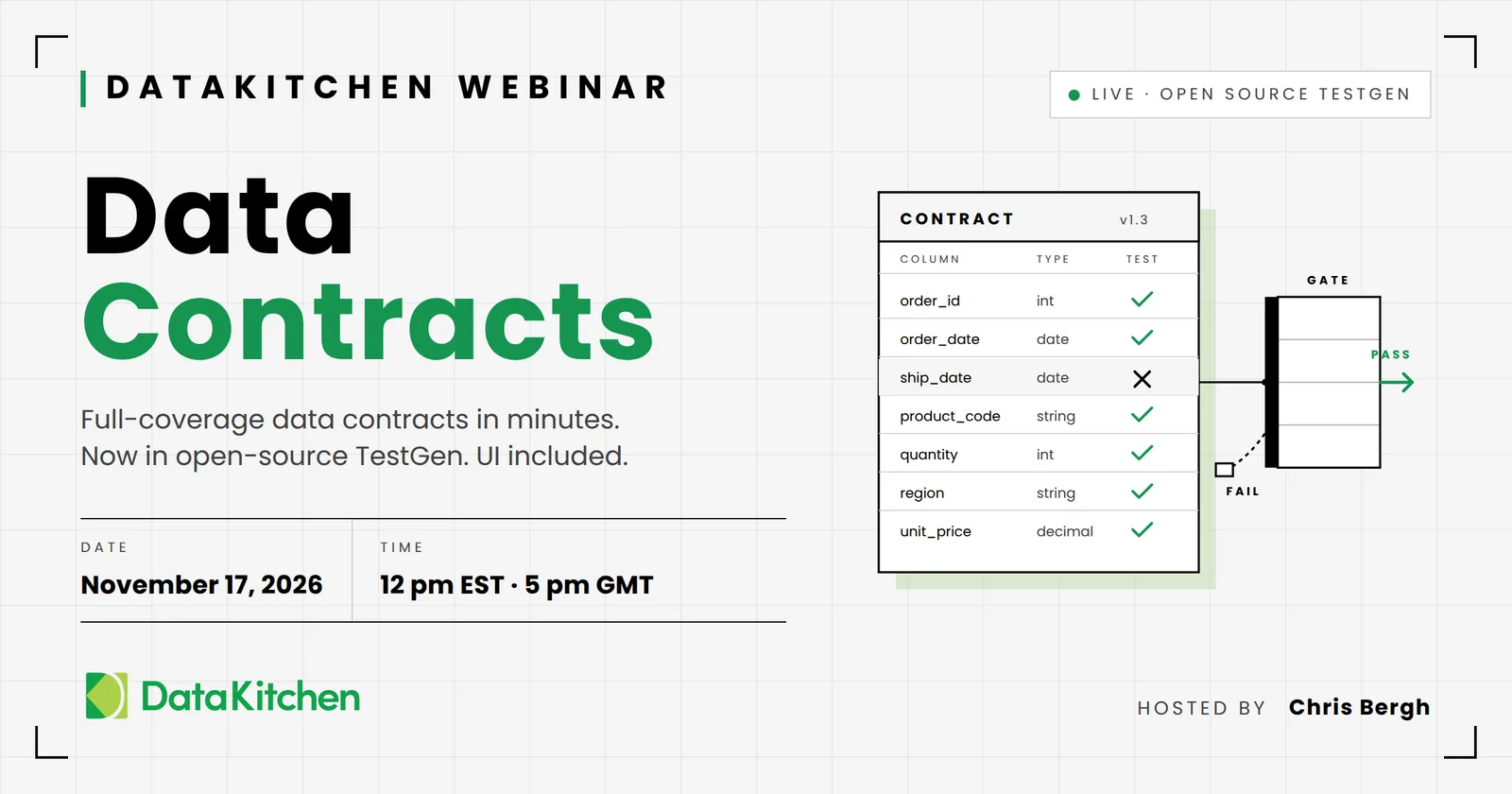
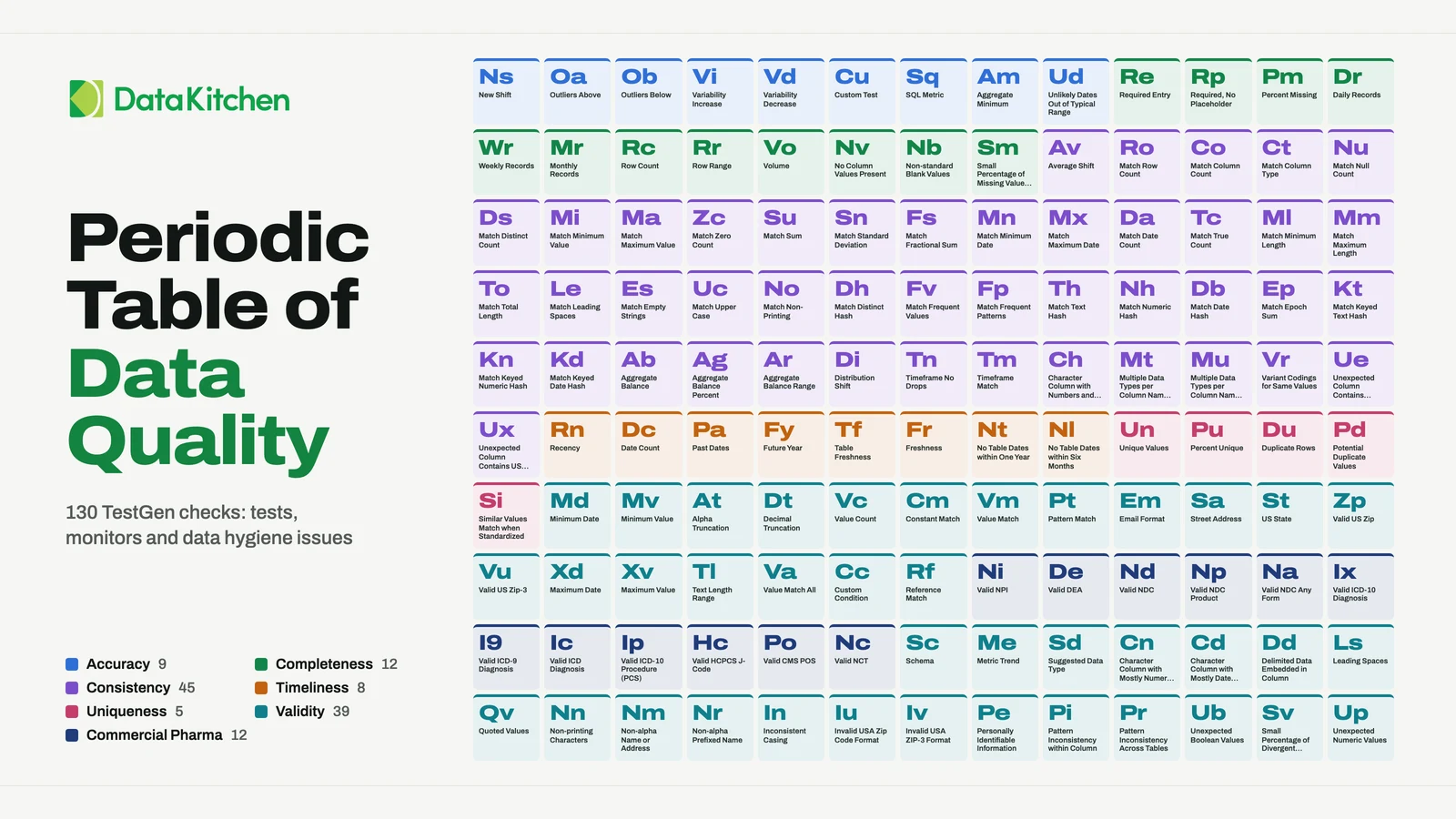
We decided to call BS. We’ve built ML-powered anomaly detection directly into TestGen, our open-source data quality tool, using the same proven algorithms that VC-funded vendors charge a fortune for. The difference? We’re profitable with no investor expectation of a 10x return baked into your pricing. No per-table fees punishing you for wanting full coverage. Just a powerful data quality tooling that costs what it should. Fully featured open source for one user and an enterprise version that costs one month of a data engineer’s salary for all your data and team members for a year. Why? Because the underlying technology was never worth what they were charging in the first place.
Watch this on demand webinar where we named names, broke down exactly what you’re paying for (spoiler: $300K a Year for a Z-Score?) , and showed how TestGen delivers the same capabilities without bankrolling someone else’s Series C. Bring your last vendor invoice—you’ll know exactly how to match their features, keep your team covered, and reclaim your budget.
Watch the webinar
Fill out the form and the recording, slides, and transcript open on the next page.